
Ragdoll Boxing Physics Combat: How the Physics Shapes Every Fight
Ragdoll Boxing is physics-driven: your build shapes your body, movement and fighting style, and every punch and recovery feels different. Here is what that means in the ring.
Quick answer
Ragdoll Boxing is a physics-driven boxing game: your fighter's body, movement and fighting style all come from that fighter's unique build, and the physics make each punch and each recovery feel different instead of playing out identically. In the ring that means no two exchanges look the same — you read where your ragdoll body actually is, back off to regain stamina when it runs low, and use block and weave to stay safe while openings come and go.
Your build is your fighter's physics
Ragdoll Boxing's defining trait is right in its own description: it is a physics-driven boxing game where every fighter's body, movement and fighting style are shaped by their unique build. Your build is not just a stat sheet — it is the actual body you bring into the ring. It determines what your fighter's body is, how that body moves around the ring, and the fighting style it naturally plays with.
The practical consequence is that you are never controlling a generic, scripted boxer. The physical characteristics you fight with come from your build, and your opponent's build gives them a different set. Reading a fight in Ragdoll Boxing is therefore about watching the two ragdoll bodies in front of you, not memorizing fixed attack animations.
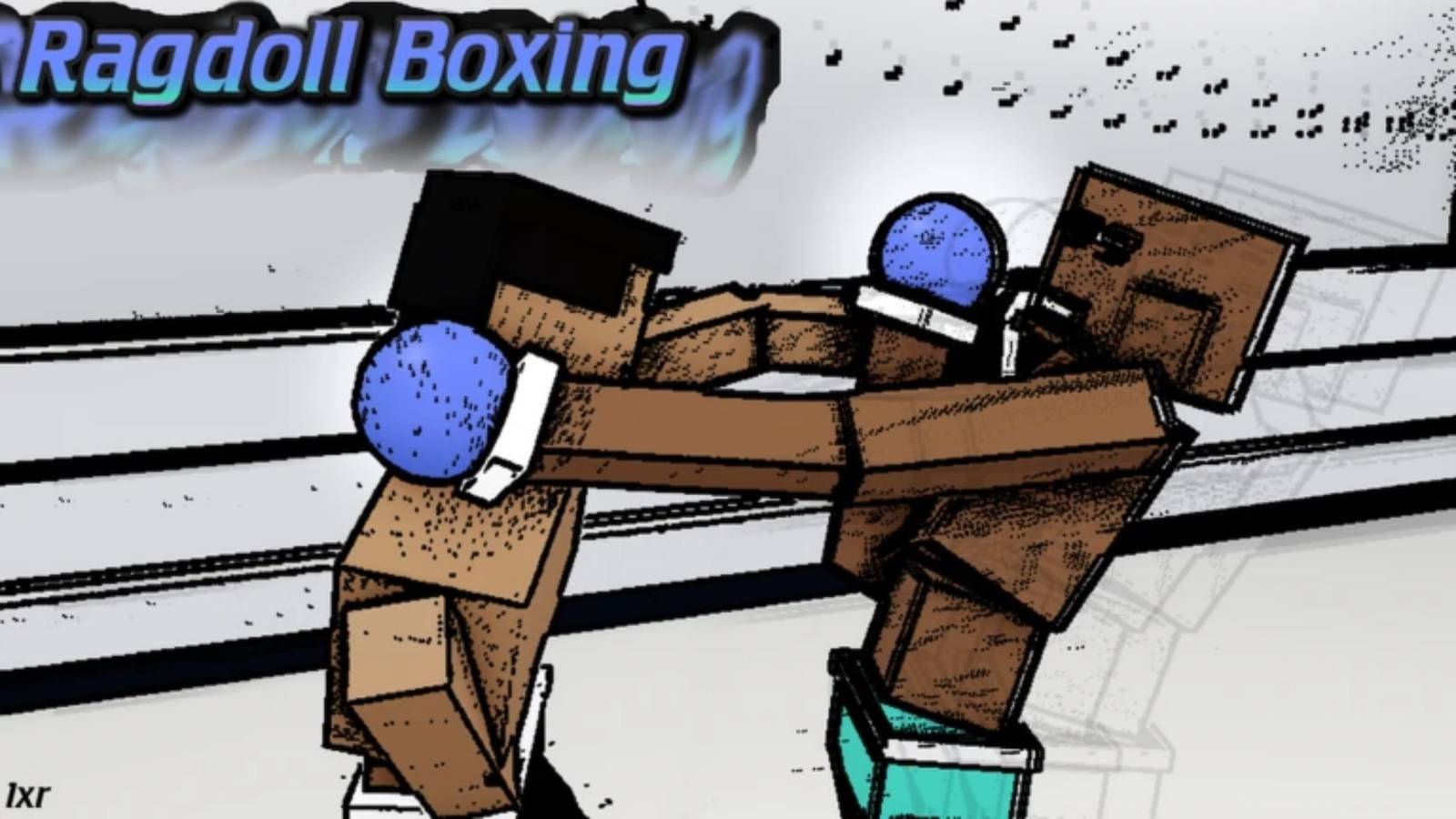
How movement changes in a fight
Because the fighters are ragdolls, posture is a real part of fighting. In one recorded match between two players, both fighters fought with their bodies really low — a low posture is part of how a fighter presents in a fight.
Your movement tools inside a match are straightforward: Space blocks, and Q and E weave left and right. Weaving is not decoration. In demonstrated play, the player reported weaving and dodging the opponent's attacks, which shows that weaving can make an incoming attack miss entirely — against a swinging physics body, being somewhere the punch was not aimed is as good as not being hit at all. The Ragdoll Boxing combos guide shows how those two habits fit into an attack run.
How striking changes
The physics apply to your offense as much as your movement: each punch and each recovery feels different instead of playing out identically. You throw punches such as jabs and uppercuts, and how each one lands — and how long you take to recover from it — plays out through the physics in that moment rather than as a fixed animation. The Ragdoll Boxing punches guide breaks down the individual punches.
Hits also land on specific parts of the body. Observed matches include head shots, body hits, jabs and uppercuts, and after head damage, bleeding from the head is visible. That bleeding is a readable signal of where damage has landed, whether you are dealing it out or taking it.
That moment-to-moment variation extends to how fights end. Fighters can be knocked out during a round: in the recorded match, the player was knocked out once and later knocked the opponent out, with rounds scored to a tie. Fights swing both ways, so a round that is going badly can turn around with one clean punch.
Stamina shapes your reactions
Stamina is spent while you fight and can be regained by backing off. In the recorded match, the player repeatedly stepped away to let stamina come back up, and deliberately waited for the opponent to run out of stamina before going on the attack, treating a gassed opponent as the safe moment to commit. If your own stamina is draining, stepping out of range to recover is part of the rhythm of a Ragdoll Boxing fight, not a retreat.
Wins are earned, not given
The game's own page carries a warning worth internalizing: this is a competitive and skill-based game, and you should not expect to win fights easily. When every punch, recovery and dodge resolves through physics rather than a fixed script, practice matters — the more fights you take, the better you get at reading low postures, tired opponents and split-second openings. The Ragdoll Boxing how-to-win guide and the beginner guide cover the wider game beyond a single exchange.
Changing your physics: builds, Cash and Reset Tokens
If the physics you are fighting with do not suit you, they are not permanent. Third-party guides describe Cash as the currency used to tweak a fighter's build, with tweaked builds landing harder punches and feeling more natural to move, and a Reset Token as the way to restart stat or style choices when a build is not working out. So the body, movement and style you fight with can be reshaped: earn Cash, adjust the build, or reset and try a different approach entirely. The fighter builds guide, the guide on how to earn Cash and the reset fighter guide cover those systems, and free rewards from Ragdoll Boxing codes can speed the process up.
Related Guides
How to Keep Combos Going
Learn the stamina-and-guard rhythm that turns single punches into sustained multi-punch runs in 1v1 fights.
Punch Types and Inputs
See the punch and attack types used in Ragdoll Boxing, plus the keyboard controls confirmed for blocking and weaving.
What Your Build Changes
Find out how a build sets your fighter's body, movement and fighting style, and when to adjust it after a match.